
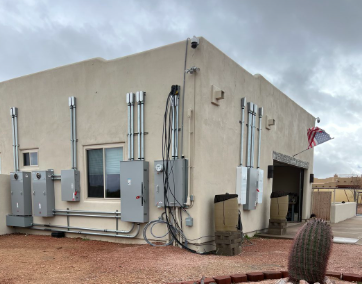
As homes accumulate more electrical devices, appliances, and technology over the years, the electrical panel that once handled a household's power needs can quickly become inadequate. An electrical panel upgrade Scottsdale homeowners consider is often driven by this exact issue, where an aging or undersized panel struggles to keep pace with modern electrical demands. Understanding when an upgrade is necessary, and what the process generally involves, can help homeowners make informed decisions about their home's electrical infrastructure.
Signs an Upgrade May Be Needed
Several warning signs typically indicate that a panel is no longer meeting a home's electrical needs. Frequently tripped breakers, especially when running multiple appliances at once, often signal that the panel's capacity is being pushed beyond its limits. Flickering or dimming lights, particularly when larger appliances cycle on, can also point to strain on the electrical system. Homes with panels that are several decades old, or those still using outdated fuse boxes rather than modern circuit breakers, are generally strong candidates for evaluation, since older systems weren't designed to handle the electrical load of contemporary households.
Why Older Panels Struggle With Modern Demand
Homes built decades ago were typically wired to support far fewer electrical devices than what's common today. The rise of central air conditioning, electric vehicle charging, home theater systems, and numerous small appliances has significantly increased the average household's electrical load. A panel rated for 60 or 100 amps, common in older construction, often falls short of what's needed for a modern home, making a 150- or 200-amp panel a more appropriate match for current and future electrical demands. This is often the point where homeowners start actively researching an electrical panel upgrade in Scottsdale.
The Upgrade Process
An electrical panel replacement in Scottsdale generally begins with an assessment of the home's current electrical load and future needs, followed by permitting through the appropriate local authority, since panel work typically requires inspection and approval. The physical replacement involves disconnecting power, removing the old panel, and installing a new one with adequate amperage capacity, along with updated circuit breakers matched to the home's wiring. Because this work involves the main power connection to the home, it should only be performed by a licensed, qualified electrician familiar with local code requirements.
Safety Considerations
Outdated or overloaded panels aren't just an inconvenience; they can also present genuine safety risks. Overheating, corroded connections, and outdated wiring materials in older panels can increase the risk of electrical fires if left unaddressed. Panels that show visible signs of damage, such as scorch marks, a persistent burning smell, or a panel that feels warm to the touch, should be evaluated promptly, as these can indicate a developing hazard rather than a routine capacity issue.
Permitting and Local Requirements
Electrical panel work is subject to local building codes and typically requires a permit along with inspection once the work is complete. This process helps ensure that the new panel meets current safety standards and is properly integrated with the home's existing wiring. Skipping proper permitting can create complications later, particularly when selling a home, since unpermitted electrical work can raise concerns during a real estate transaction or insurance review.
Planning for Future Electrical Needs
When considering an electrical panel upgrade, Scottsdale residents often think beyond just fixing current problems, factoring in future additions like electric vehicle chargers, home additions, or expanded solar setups. Choosing a panel with sufficient headroom for future circuits can prevent the need for another upgrade down the line, making it worth discussing long-term plans with an electrician during the initial assessment.
Final Thoughts
An outdated or undersized electrical panel can limit a home's functionality and, in some cases, pose real safety risks, making a timely upgrade an important investment for many homeowners. When selecting an electrical panel replacement company for this kind of work, verifying proper licensing, checking for local permitting experience, and confirming familiarity with current electrical codes are all important steps toward a safe, compliant installation.